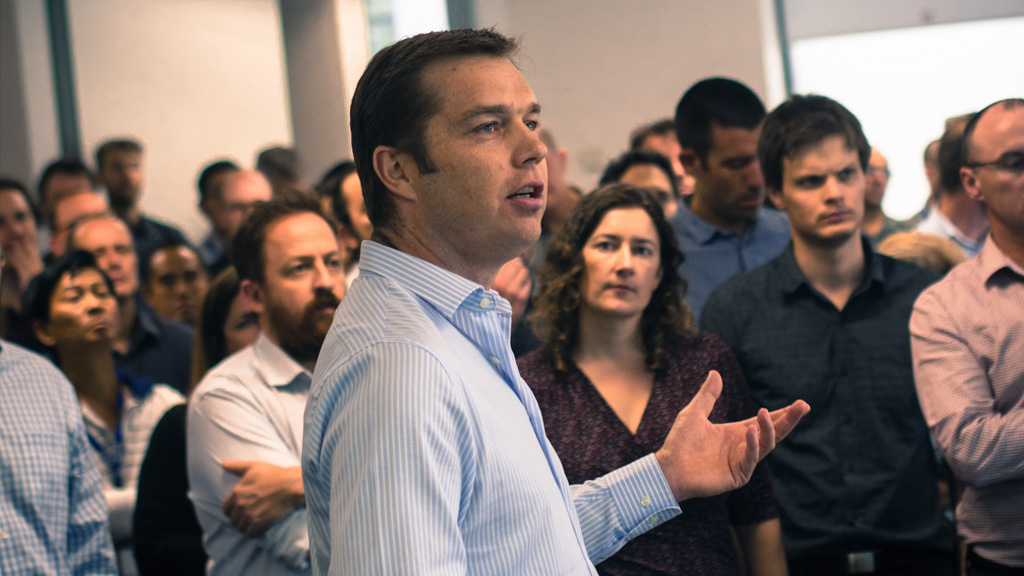

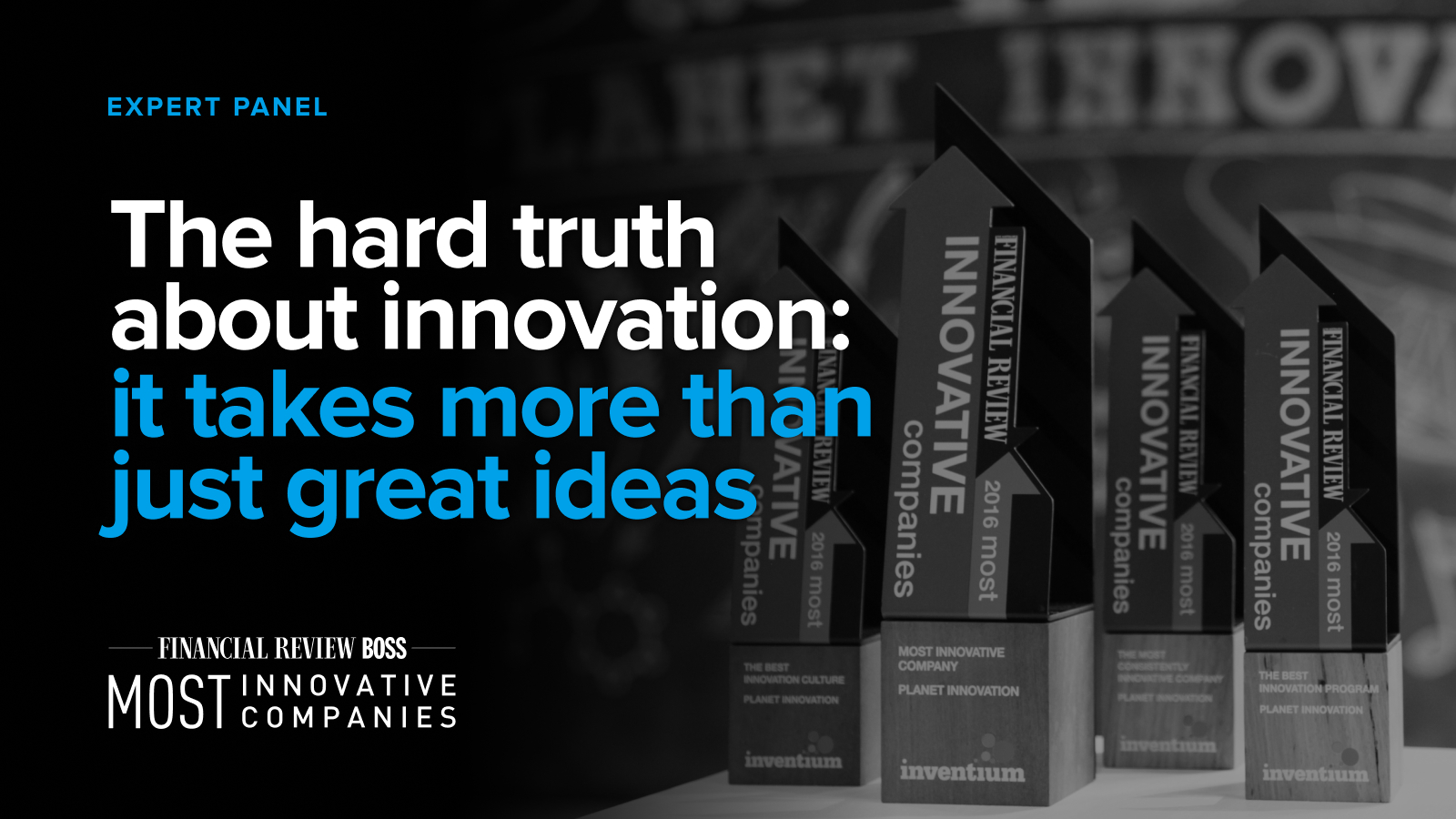



As three-time winners of Australia’s Most Innovative Company, Planet Innovation was recently invited to join an expert panel at the 2026 Financial Review Most Innovative Companies Awards in Sydney. Here are some of our reflections on the lessons we’ve learned about what makes a company truly innovative.
Solve the right problem
When it comes to being innovative, assume it will take two to five times longer, and be two to five times harder than you expect.
Ideas themselves are the easy part; offer people a free lunch and an hour of their time and you’ll get heaps of them, but valuable ideas are far rarer. What matters most is solving the right problem, so pick the right mountain before you start climbing.
The first question to ask is whether the problem is commercially valuable for you to solve. The second is whether it’s the real problem or just a symptom. A “sales problem” can turn out to be a case of talking to the wrong customers, and no amount of R&D fixes that. There’s also the Porsche versus Toyota trap, where you build a high-performance product and the customer will only pay for a Toyota. At PI, we put more structure into understanding the problem than into the creative steps that follow. Innovation also must deliver growth, or the CFO will want to shut it down in a few years, so it’s worth checking the view from the top is worth the climb.
Provide freedom with guardrails
In large and traditional organizations, processes are like train tracks. They deliver quality, efficiency and predictability; the on-time-every-time reliability you often see in Japan. But innovation doesn’t always follow a fixed track, and that’s where guardrails come in. Teams get freedom through a looser business case and less prescriptive timelines and outcomes. The CFO won’t like that, but it’s the price of doing something new. The guardrails placed around the experiment protect the core operations, so a failure doesn’t hurt the wider business. Clinical trials are a good example; independent ethics oversight allows researchers to innovate while protecting patients from harm.
Lead the conditions, not the ideas
As a company moves from start-up to scale-up, the leader doesn’t need to be the one with the ideas. The responsibility is to build a culture that accepts innovation, then step out of the way. In other words, the leader should stay involved in choosing the mountain and inspecting the guardrails, then step back. Ideas from the top tend to deliver incremental results rather than step changes, so don’t become an innovation dictator, and don’t add detailed processes that need sign-off from a bunch of managers. Don’t stop people from making mistakes but be there to support them when they do.